The perception of post-trade operators has changed. Once trivialised as the ‘plumbers’ of the market, slow moving infrastructures, and operating at the behest of regulatory change, the script has suddenly flipped.
Europe’s central securities depositories (CSDs) and International Central Securities Depositories (ICSDs) – who at their core are the safekeepers, record keepers and settlers of securities – are evolving in line with technological developments, investor demands and an ambitious new growth plan from the world’s largest trading bloc.
They have emerged as the gatekeepers to the further development of digital assets, the proverbial highway between global markets, and – in Europe’s case – a key cog in the continent’s plans to bolster its attractiveness on the world’s investment stage.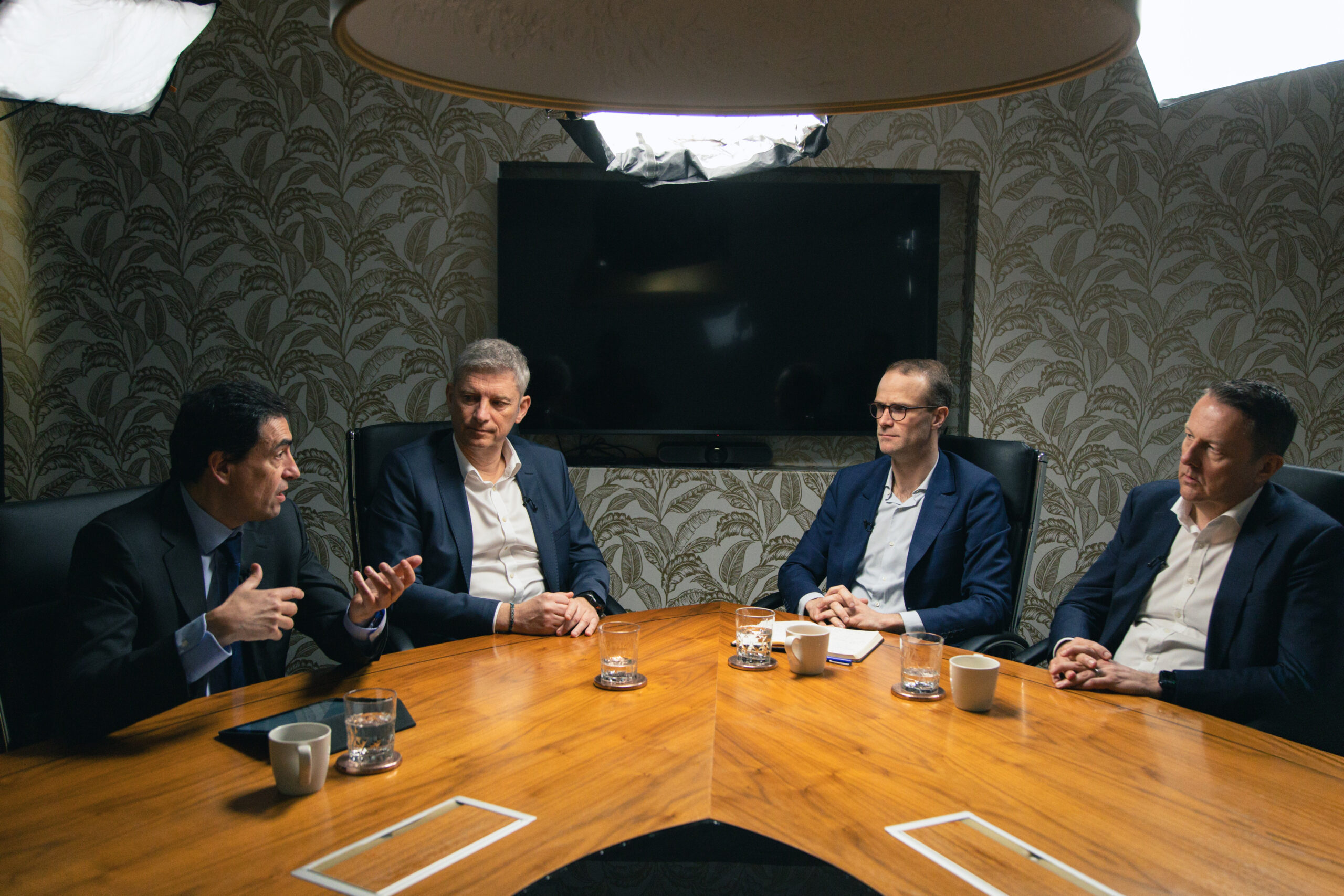
Exploration into tokenisation, distributed ledger technology (DLT) and AI are all now table stakes for infrastructures once associated with storing physical share certificates in vaults.
And the fun doesn’t stop there. The top European CSDs and ICSDs have become talk of the town over an increasingly visible debate on costs. Competition among them is intensifying thanks to an ambitious growth plan from an M&A-led relative newcomer Euronext, trying to challenge the status quo and incumbent behemoths of Euroclear and Clearstream.
Add into the equation one player at the centre of a geopolitical standoff, the never-ending push to shorten settlement cycles, the ongoing debate over the pan-European settlement system T2S and the growing concept of direct connectivity… well, you could say things are pretty exciting.
Sam Riley, CEO, Clearstream Securities Services, certainly thinks so. “I think post-trade is becoming quite sexy,” he says, part in jest, before some more serious commentary. “The reality is, that with the onslaught of technology, new asset classes, the role we play, the regulation, SIU [Saving and Investments Union], all of these topics in Europe at the moment seem to be a focus on us – the CSDs and the FMIs [financial market infrastructures].”
Francisco Bejar, head of custody, SIX highlights: “For more than 30 years working in securities services, we have always been perceived as something static and complex. There was not too much attention from the media or the market.
“Now it is just the opposite. We are in front of the innovation – pacing the rhythm – and very much in the spotlight of how capital markets work.”
The format and ground rules
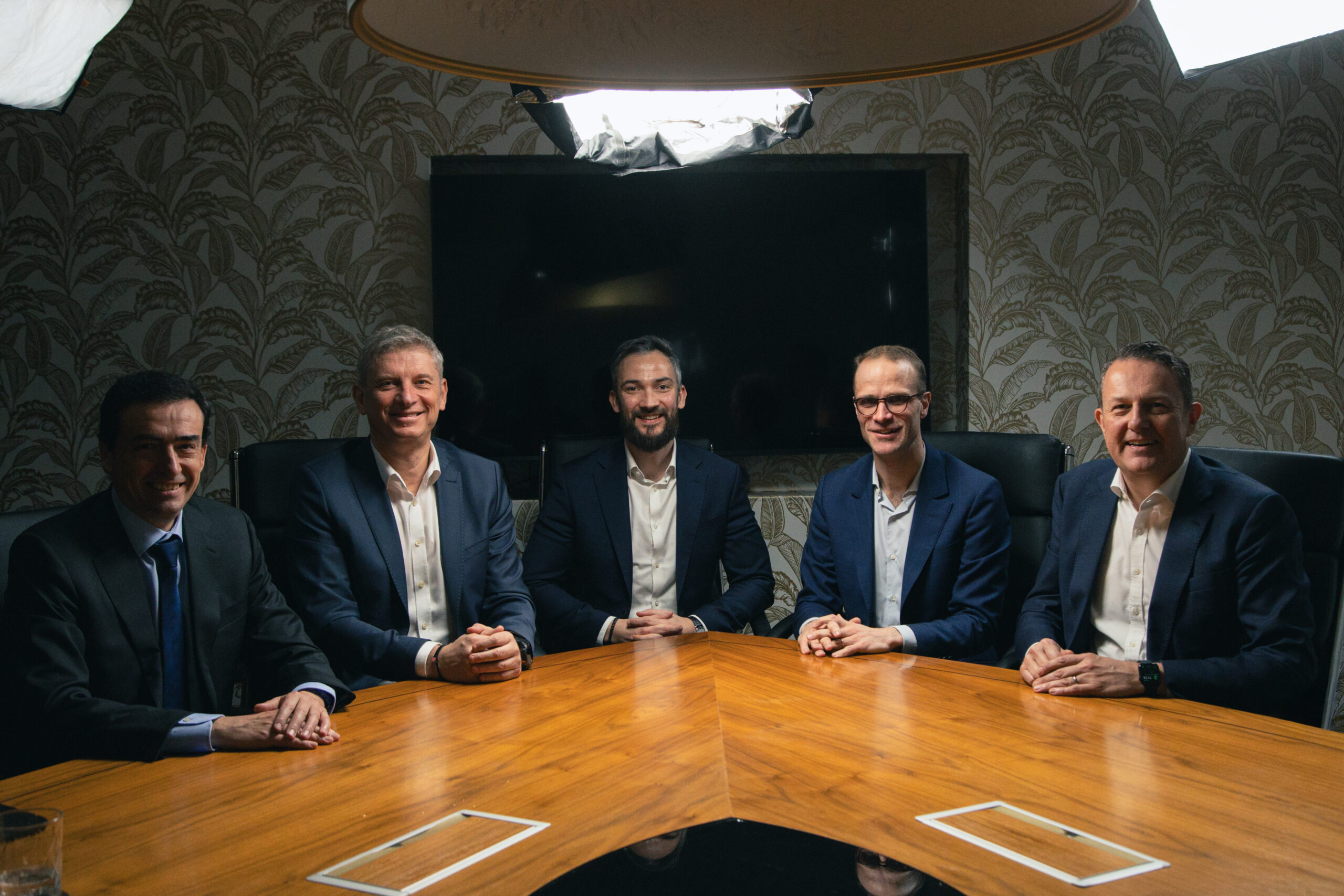
Following the resounding success of our first off-the-record roundtable discussion featuring the four biggest global custodians in the world, we decided to attempt to emulate this winning formula by getting the four biggest European CSDs together.
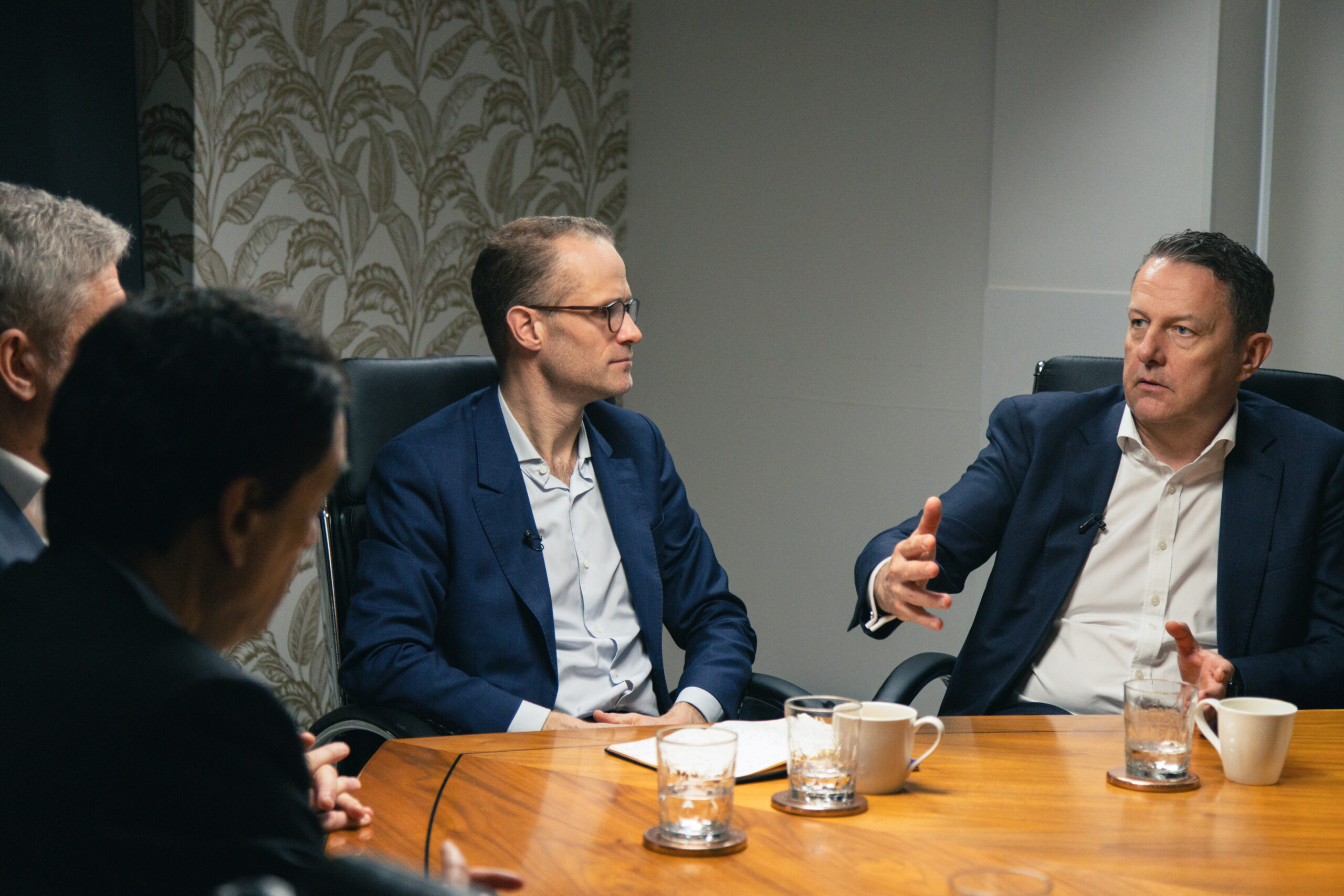 Despite Euroclear and Clearstream operating ICSDs, for the sake of ease, the term CSD will be used in this article as a general description of both.
Parts of the discussion will be reported with anonymity, such as comments around competition and monopolies, regulatory efforts, or that AFME report.
But for the most part, our speakers were happy to be quoted.
Sometimes the group spoke with a collective view. Other times there were clear differences of opinion, and in a few cases: some lingering tensions shone through.
But the challenges, opportunities and overarching themes facing their business were universal.
Sebastian Danloy, chief business officer, Euroclear, correctly highlights that some of those trends are not unique to CSDs, but the role that macroeconomics and broader economic and regulatory endeavours have thrust CSDs and ICSDs into, has made this a unique period of change.
“Some of the elements relate more globally, impacting the whole industry, not just financial market infrastructure – geopolitical changes, technologies, for example. But there are also some specific challenges that relate to FMIs.
The Savings and Investment Union being one, and probably more competition today between financial market infrastructures than what was the case a couple of years ago. It’s an exciting place to be.”
Pierre Davoust, head of Euronext Securities, adds: “Geopolitical and technology disruptions are at levels that we’ve not seen in the past 20 years probably.
“If you look at the markets around us, they are quite robust, but there is a huge amount of disruption around us, and this creates a huge pressure, particularly in Europe, to build a stronger economy. And this in turn creates a huge demand for market infrastructure to play a broader role and support a stronger, deeper, more liquid capital market in Europe.”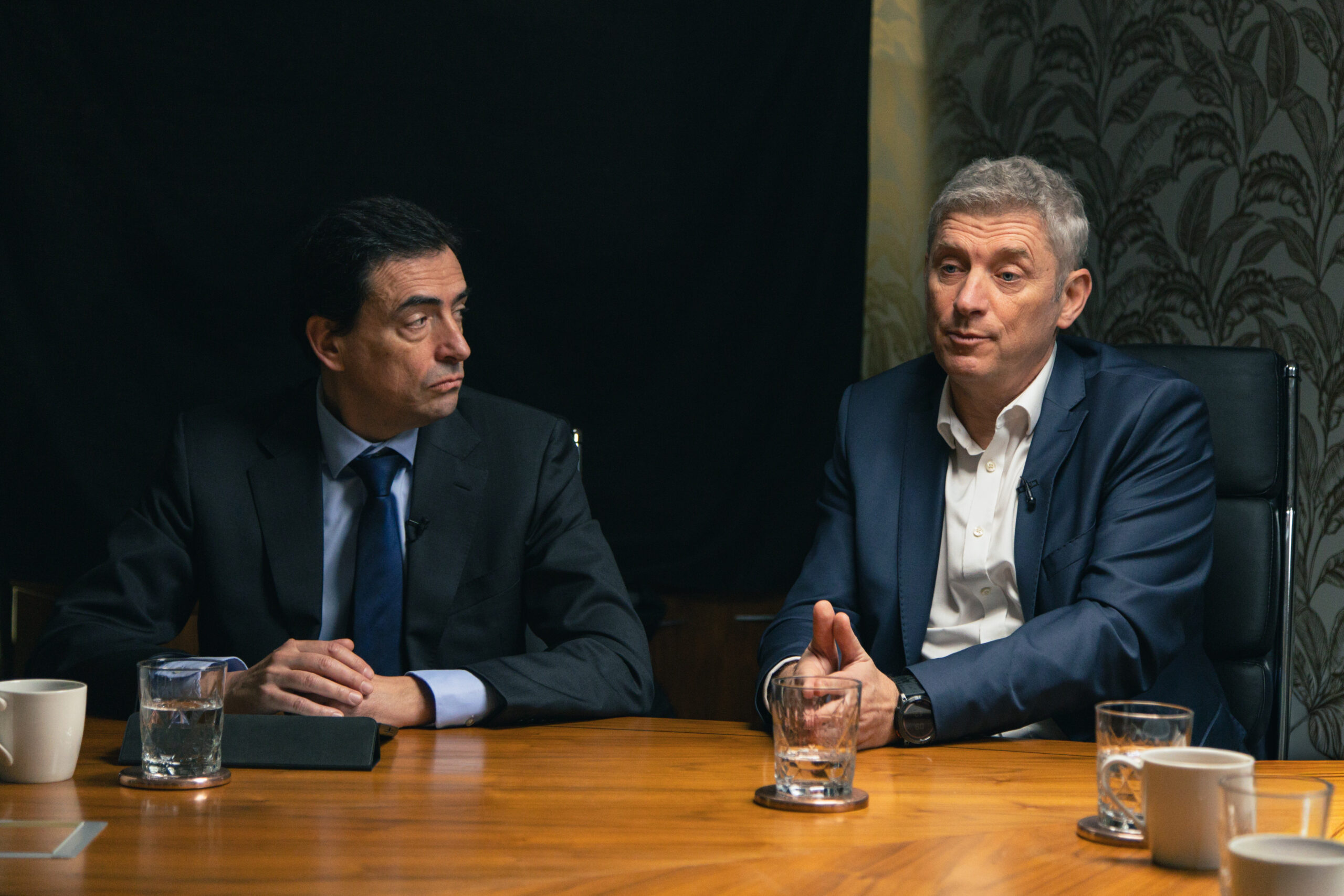
Our speakers all agree on the direction of travel, noting that this new era has seen them innovate at a pace seldom seen among infrastructures in the past. And they collectively welcome their new roles in a digital marketplace of the future.
But that doesn’t mean they agree on everything.
The elephant in the room
When the four individuals entered the room – there was a giant metaphorical elephant present (unfortunately this doesn’t show up in the photos) – and that was the status of Euronext’s plans to designate its CSD for the settlement of equity trades in Amsterdam, Brussels and Paris from September 2026.
Between the four speakers, there were questions on the status of those plans, on the applications of Euroclear and Clearstream as alternative CSDs, and around wider communication with the industry.
Davoust reveals there and then, candidly, “For these markets, clients who trade on Euronext markets will have a choice to settle with Euronext Securities, Euroclear, Clearstream or with SIX.
So we are moving from a situation where there was virtually no choice to a situation where market participants have a choice between the four largest CSD groups in Europe.
“The introduction of this choice has already delivered value to customers because prices have gone down for issuers and for market participants. So clients can already enjoy the benefits of a more competitive marketplace, which is good for everyone.”
Just four days later, Euronext confirmed its September 2026 plans in a press release along with verifying the approval of Euroclear and Clearstream as alternative CSDs.
 “Thank you, Pierre, for being very clear in terms of what these changes are leading to in terms of open competition,” replies Danloy. “Because for us, as Euroclear, what was really important is to ensure that there is a competitive landscape in the post-trade world in Europe. And you’ve clarified the fact that all of us around the table will have the same options, the same access, which I think for all of us is something that is very important because I wouldn’t want to end up in a situation where there is, let’s say, a bit of a monopoly in relation to one single market.
“The fact that you clarified that is something that pleases me, that I have no doubt pleases every investor, and every issuer in Europe.”
Euronext claims that the move will improve European capital markets’ competitiveness, tackle post-trade fragmentation in Europe and open up new trading and investment opportunities, particularly across borders.
Critics of the move had argued that the decision and work to prepare for the change added cost and complexity to Europe’s markets at a difficult juncture with T+1 on the horizon.
However, with the discussion that took place, and the ensuing press release which landed just days later, it appears that – on the most part – the entities are now moving forward with some level of harmony and understanding.
Integrating Europe’s markets Euronext is somewhat the new kid on the bloc in the CSD world, growing through acquiring local infrastructures – most recently Italy and Greece – and aligning with the EU’s desire to have deeper integration of Europe’s capital markets. SIX, also comprises Swiss and Spanish FMIs, the latter coming through acquisition.
The current structure in Europe – as has been highlighted ad nauseam – features local CSDs in almost every state, creating natural, and somewhat unavoidable, fragmentation. But the four participants in the room are all working on plans to improve the setup, through consolidating activities or accelerating full connectivity to the European Central Bank’s T2S (TARGET2-Securities) platform.
There is, however, a slight difference in opinion over the urgency of further consolidation.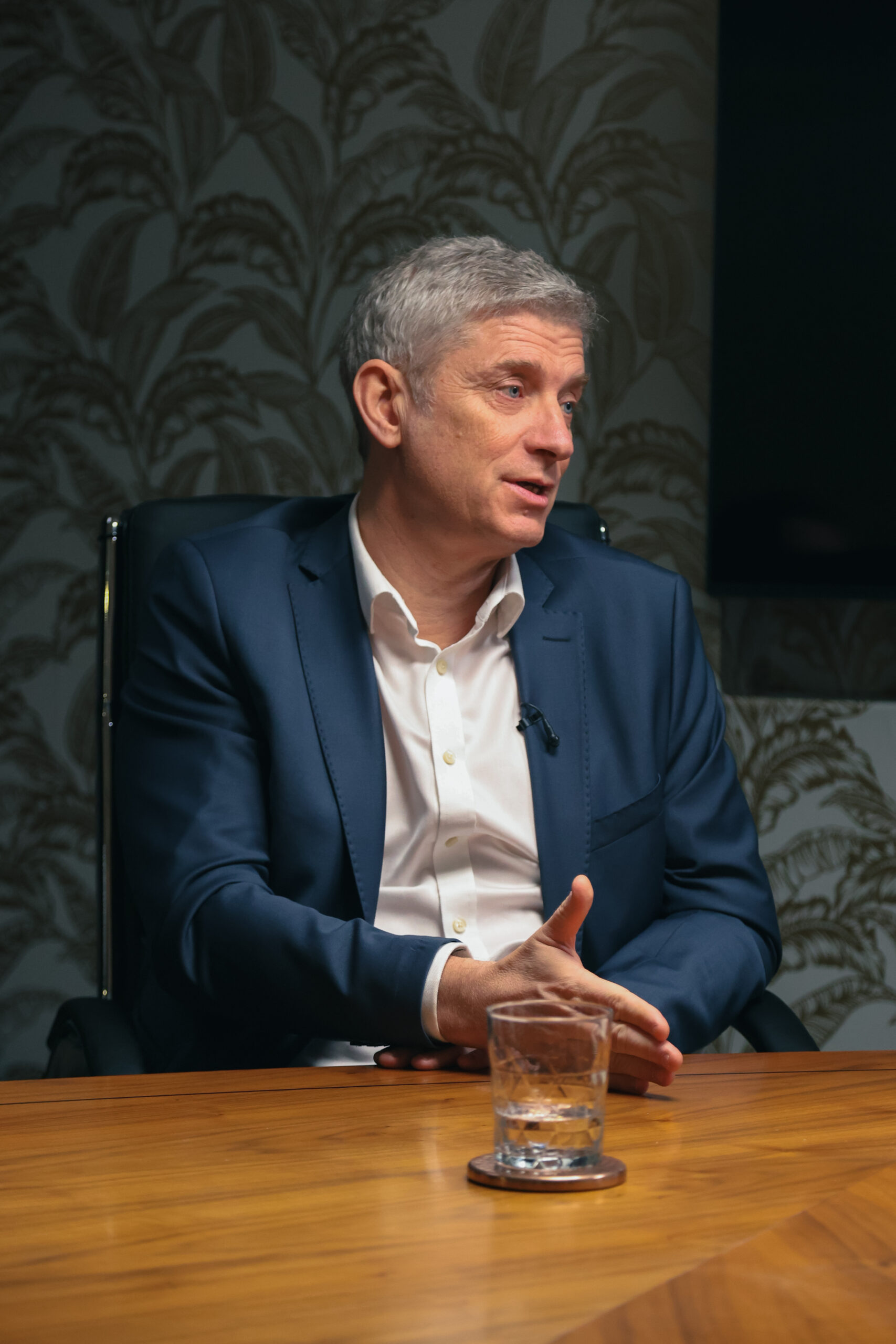
“We have too fragmented an infrastructure in Europe,” says Davoust. “The solution is not a monopoly but a model where several infrastructures compete across Europe while remaining interoperable.
“This is significant because in the past years there has been a lot of work done on the trading and clearing side, and now I think policymakers and the whole industry realise that the next frontier of integration and consolidation of the market is CSDs, hence the spotlight on our activities.”
Danloy sees the picture differently, insisting there already has been significant consolidation in terms of volumes
“Today when we look at the European Union, over 50% of the assets – equities and fixed income – issued in the European Union are already in the books of Euroclear. If you add Clearstream to that, you are around 85% on both metrics.
“Looking at further consolidation is not going to fundamentally change the fact that there are already two leading post-trade infrastructures in Europe.”
That was not the end of the back-and-forth.
Are we ‘integrated’ yet?
“What you refer to is capitalistic consolidation,” replies Davoust, acknowledging that the current landscape does, at first glance, appear to be consolidated. “But the experience of the client does not follow the brands and the capital. Clients who do business with multiple CSDs from the same group don’t always encounter the same pipelines, and they don’t necessarily face the same business processes. The fact that volumes are consolidated within a group is irrelevant from a client standpoint, until and unless that group decides to move, migrate or transform those different platforms into a single, integrated one.
Which is exactly what Euronext is doing now across markets.”
Danloy responds: “I don’t know if it’s about single platform, but I agree with you on one thing Pierre: there has to be a single client experience of dealing with a group of CSDs that belong to the same owners. That single client experience can be from a relationship management point of view, can be from a pricing point of view, or from an operational point of view.
“If you look at one example of what we’ve done at Euroclear, we have rolled out a tool which we call EasyFocus+ as part of T+1 that gives a consolidated view to all of our clients of all the activity they have across all Euroclear CSDs in a single report.”
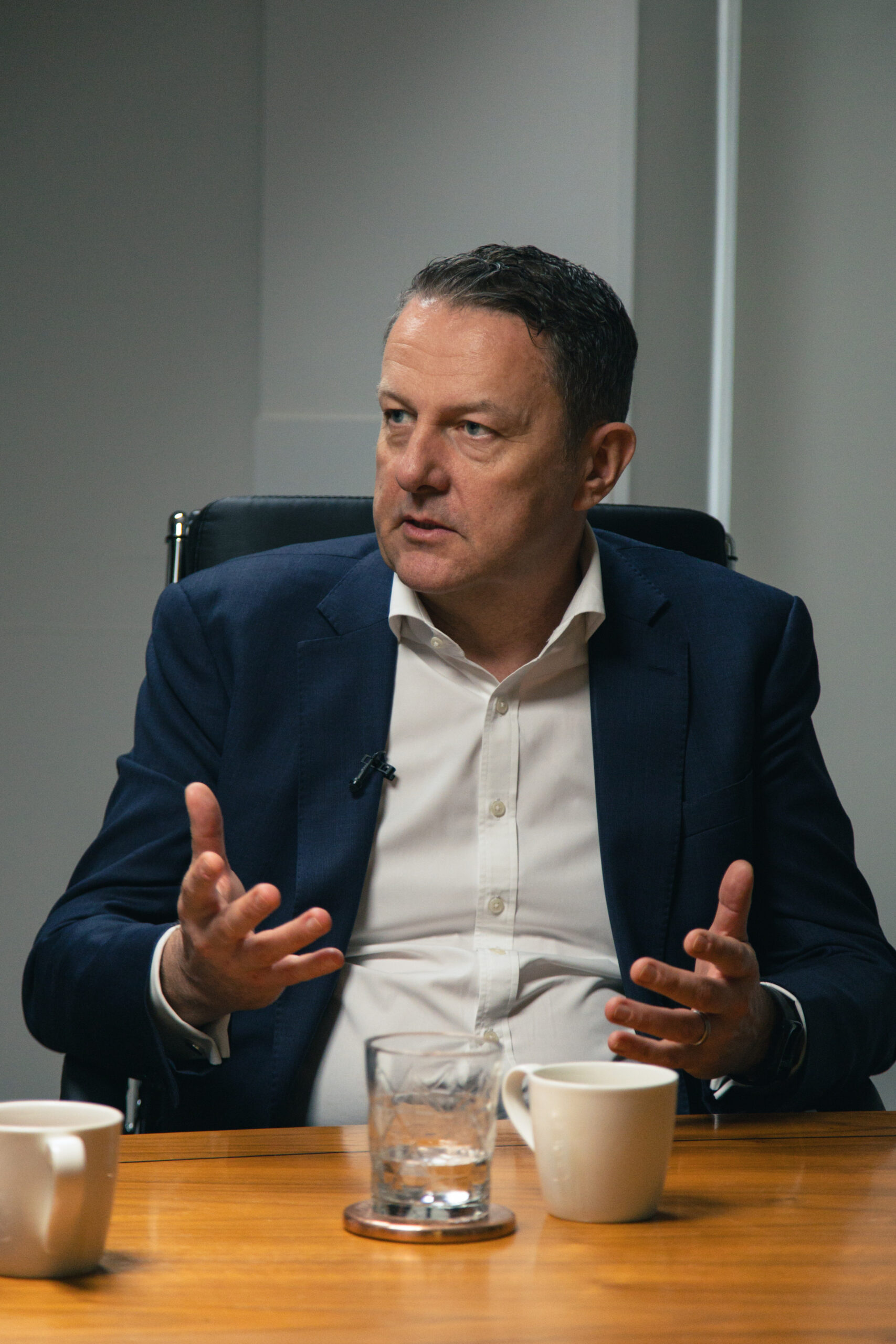 Riley concurs: “We have Xact – our front-end for everything for ICSD and the CSDs. We have one collateral management platform, one corporate action platform. I agree with both of you in that regard.
“We’ve got a responsibility to solve this, and to do that we need the regulators’ help. Merging CSDs is one way. The other way is making sure that they can leverage what we’ve built, the connectivity to all other CSDs in Europe allowing other infrastructures to connect and avail themselves of the functionality that has been created.
“It’s other CSDs being able to use T2S in the future because they’re not going to be able to support the technology changes or the additional market changes that are coming.”
Bejar concludes on this point: “Integration means that the client potentially using one single account or one single entry to the market can do cross-border settlement the same way they do domestic – which is the spirit of T2S.
“We are not yet in a position to offer this kind of single experience to clients investing in Europe as a whole single market. It happens independently, regardless of whether you are managing one single CSD or several CSDs in Europe. There are also aspects that impact through rules and tax treatments.
There is a diverse reality in Europe that independently the platform or the technology you use, you have to manage different rules that impact risk policies.”
T+1 has been talked about plenty…what about T2S?
“An empty highway” is how one speaker refers to the opinion of T2S in some circles, based on the promise versus reality of the pan-European settlement system.
A decade or so ago, T2S was receiving as much attention as T+1 has in the 2020s, but it’s fair to say critical fatigue certainly set in with the initiative costing so much time and effort, while being plagued with delays. Now the headlines are much less “sexy”, with the view being that it serves a purpose despite not exactly living up to the lofty expectations.
European CSDs are still connecting to the platform to this day, and Sweden said last year it will join T2S but not until, erm, 2035. One speaker points out that there have been “a few hiccups with T2S over the last few months”, in addition to the outage seen in February 2025. The speaker adds: “Ensuring that the underlying infrastructure is resilient, that it can be used on a day-to-day basis without any interruption, is important.”
Another opines: “We cannot afford these kinds of situations anymore. Another point to look at is the speed of the change management process that sometimes seems a bit sluggish.”
Responsibility was distributed between both the industry and the European Central Bank (ECB) alike.
“The other part of the issue is making sure that we have the ECB actually providing the platform in a way that makes sense and it makes it easy to connect between CSDs,” says one speaker. “It’s the only platform that they operate today that doesn’t offer any
incentives on the pricing of T2S as well.” “That’s something that we’re certainly pushing for is the ability to be able to have tiered pricing. That may be not across all asset classes, but if we think about what we’re trying to do in terms of the SIU, maybe that should be across ETFs, maybe it should be across certain asset classes as we move forward.”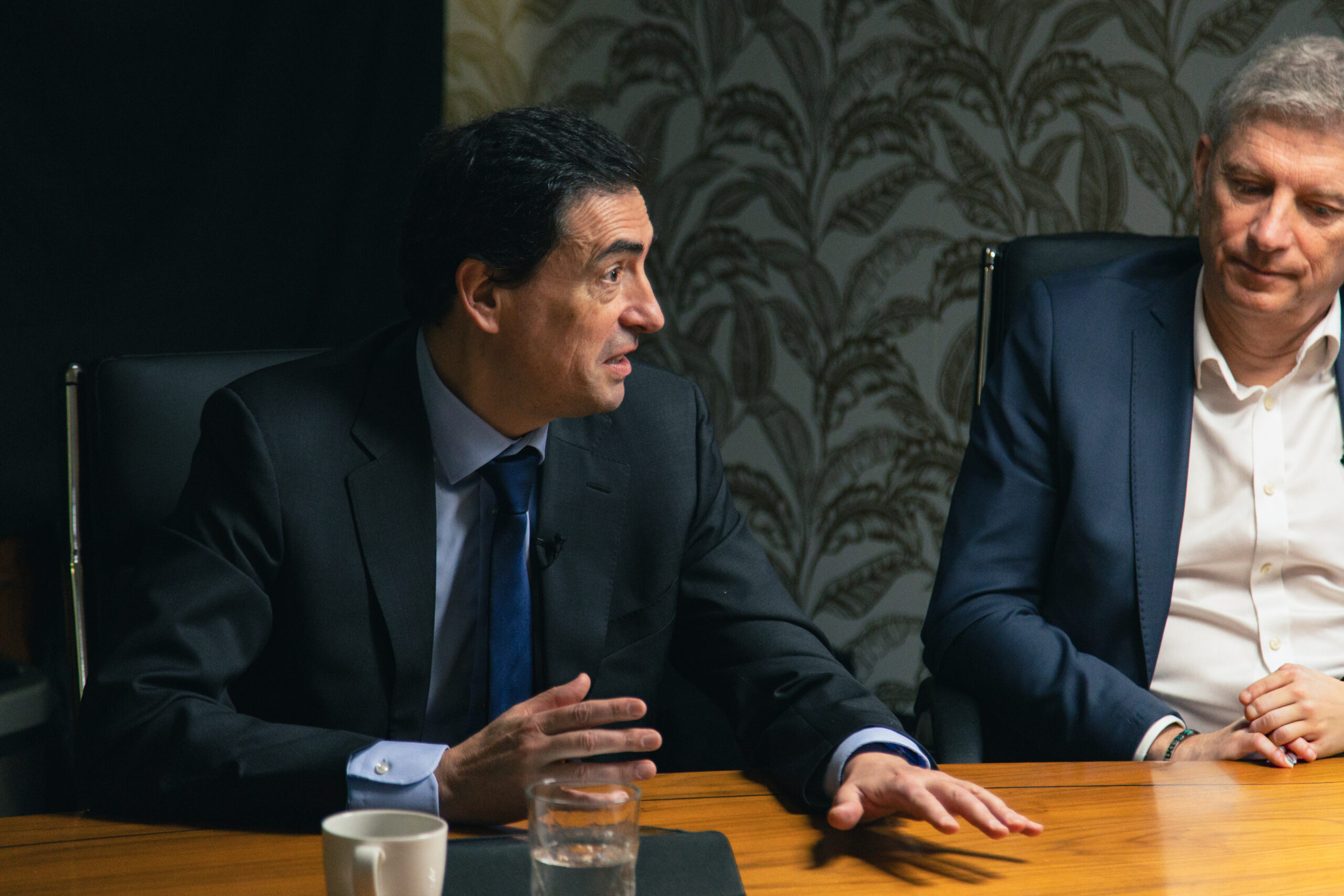
The great cost debate
The cost element of the conversation is fascinating, with speakers agreeing that the bulk of settlement costs do not come from the CSDs. The speakers add that they are having conversations with the ECB that, along with the need to invest in security and resilience, they need to reduce the fees in order to deliver benefits to the market.
Whoever called post-trade a sleepy sector obviously wasn’t on the ground at Sibos 2025 in Frankfurt when AFME dropped a whopper of a report on European CSD fees claiming – at their most extreme – that they were up to 650% higher than North America levels.
International CSDs were found to be the most expensive, with charges up to 139% greater than those of their domestic European counterparts, found the report.
Now, there are so many nuances at play here – such as comparing ICSDs serving over 60 markets with the costs of local CSDs, where the costs originate from, and the dialogue that perhaps could have happened between AFME and the FMIs prior to and during the creation of the report.
To give credit to the speakers at this roundtable, they all acknowledged that there were positives to come out of the report, and that they are being proactive in addressing some of the points such as simplifying their pricing – but this is not a ‘flick a switch’ problem.
This is important, given the words from the world’s biggest four global custodians at our previous roundtable in late 2025, where one speaker captured the feeling of the quartet by saying: “There is no reason why a CSD bill should have 215 line items of charges. I think we are all challenging ourselves as well to make sure that we are appropriately checking, challenging and pushing back. Around 20-30% of the charges are not even AUC or settlement, they are just ancillary charges for paper, fax and recon, et cetera. There are certainly 20-25% of just hygiene efficiencies that through proper governance, we should be able to extract out.”
The big takeaway from this latest roundtable however, was that the comparisons in the report were not fair. Firstly, between CSDs and ICSDs, and secondly between the US – with one major infrastructure – and an entire continent with 28 (I think) CSDs, as well as ICSDs covering dozens and dozens of markets.
“You can’t compare one market where the market capitalisation, even just the top five shares, would be more than most of the CSDs in Europe,” says one speaker.
Technological transformation
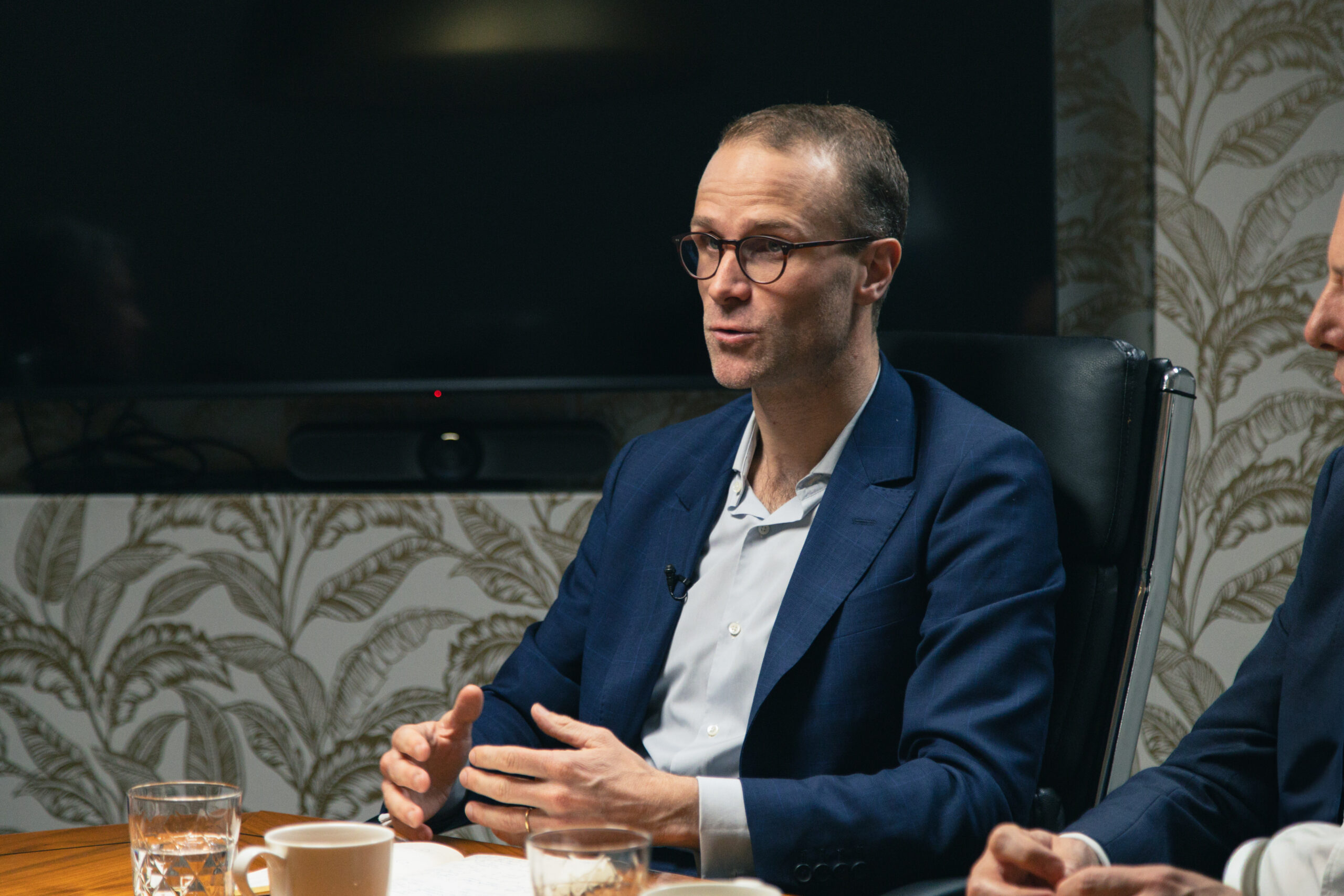 As mentioned at the start of this article, the group agreed that the speed of change being witnessed at this time is faster than at any other point during their respective careers. Danloy, a recent convert to the FMI world, added his own point of view.
“I joined the financial market infrastructure world only 18 months ago,” he says. “And I thought it might move at a slower pace than securities services. But the reality is that it is moving faster than what I have seen until now.”
Across the industry, CSDs are investing heavily in cloud infrastructure, artificial intelligence and new digital capabilities, alongside modernising core systems that underpin global securities markets.
You can imagine it’s a blessing (becoming more tech-savvy and shunning that clunky stereotype we mentioned earlier) and a curse (in terms of cost and upheaval).
We’re looking at a future where market infrastructures must simultaneously run legacy systems while preparing for entirely new market models. One based on traditional book-entry securities and another preparing for a world where securities may exist as tokens.
“We need to modernise our core platforms,” explains Bejar. “So there is this BAU modernisation that we have to put in place. But then also look at how we can merge both worlds – the traditional and the digital – in order to having one single connection where you access to both types of securities. I think all of us are on this journey of developing single interfaces to accessing both types of securities.”
Danloy says the challenge is not simply about adopting new tools but using them to create new services.
“We are leveraging cloud technology as much as we can, rolling out APIs and exploring AI,” he says. “But when we look at AI we don’t only look at reducing costs. We also look at how it can create new business opportunities and solutions for our clients.”
The productivity gains could be dramatic.
Davoust agrees, describing AI as a transformational force already reshaping how financial market infrastructures operate. “AI is basically a big productivity shock,” he says. “It allows us to produce more with less. The ability to deliver new products and services to clients could be multiplied by two, three or even five times over the next few years.”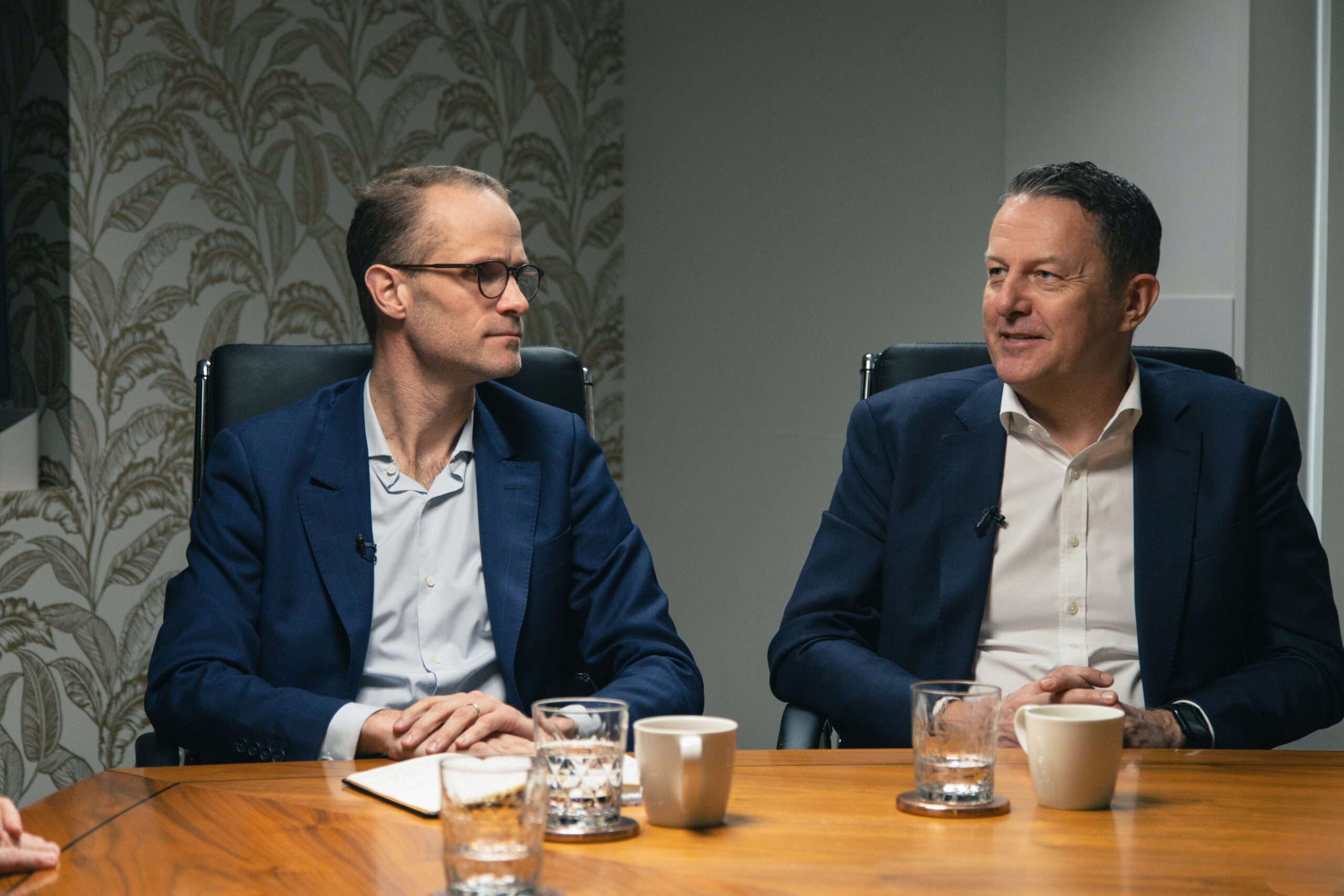
Storm clouds
Not everyone agrees on how transformation should be implemented. The debate around cloud infrastructure, for example, was lively.
Davoust argues that there are benefits in a critical market infrastructure in Europe retaining sovereignty over its core technology.
“For systemic market infrastructure it is crucial to keep control,” he said. “That is why we have chosen to run our core software on servers we own in Europe rather than putting everything into the cloud.
Others take a different approach. As Bejar notes: “really there is no option [but] to use the cloud. It’s no brainer, because it gives you efficiencies, it helps you to manage the data. And with clean data, you can make processes much faster than if you don’t. It is a very viable option but one that is compatible with having on-premises infrastructure”
Riley points out that the shift to cloud infrastructure has already delivered significant gains in productivity and flexibility.
“We’ve seen almost a 100% increase in throughput on our settlement platform by moving to the cloud,” he says. “And now we’re able to release updates every two weeks across the platform.”
Danloy expresses that he doesn’t believe the two solutions area mutually exclusive adding that Euroclear has both its own data centres and uses the cloud.
“On the one hand, yes, European sovereignty,” he notes. “But on the other side there’s also the flexibility to accommodate your clients’ needs and investor’s needs.”
Accelerating the digital asset journey During Sibos in Toronto 2023, a whitepaper was released by Euroclear, Clearstream and DTCC calling for more industry collaboration to advance digital asset ecosystem. At the time it could have been perceived as a defensive play to make sure that CSDs would have a role in the digital asset-led world of the future, but in the two years since the launch of the paper – those CSDs have very much been driving forces in innovation around this topic.
Look at what Euroclear is doing with its Digital Financial Market Infrastructure (D-FMI) platform and Clearstream with D7, its next-generation digital post-trade platform.
“I often say there’s many use cases, but how many business cases are there?” says Riley. “The experience that we’ve had has been that you solve for a market problem – like time to market, which was the initial use case for us on D7.
“But if there’s no business case, it’s very difficult. What’s going to be interesting is how we look at some of the other asset classes coming along and how we bring these two worlds together.”
Alongside AI and cloud technology, digital assets remain one of the most widely discussed topics in the post-trade world. But the participants were cautious about hype.
Danloy stressed that technology must be driven by real business needs.
“Digital assets will only work if there is a benefit for all the parties in the ecosystem,” he says. “We should not be looking at a technology and trying to find a problem to solve with it.”
SIX has been on its own journey with digital assets, becoming one of the early trailblazers through its digital exchange, which has now been integrated into the securities services business.
“From the very beginning it was clear that clients are not demanding one option or the other,” explains Bejar. “They want to have the liquidity. And this liquidity is the merge between the two types of assets.
“So the challenge from our point of view is that we need to build and define this future system, this future capital market that is able to manage both type of securities in the same way, simply from the clients.”
Davoust concurs the next phase of transformation may be driven by crypto markets.
“More than half a billion customers now do business with crypto exchanges,” he said. “These customers are young. When they get older, they get richer. And when they get richer, they will want to buy other assets.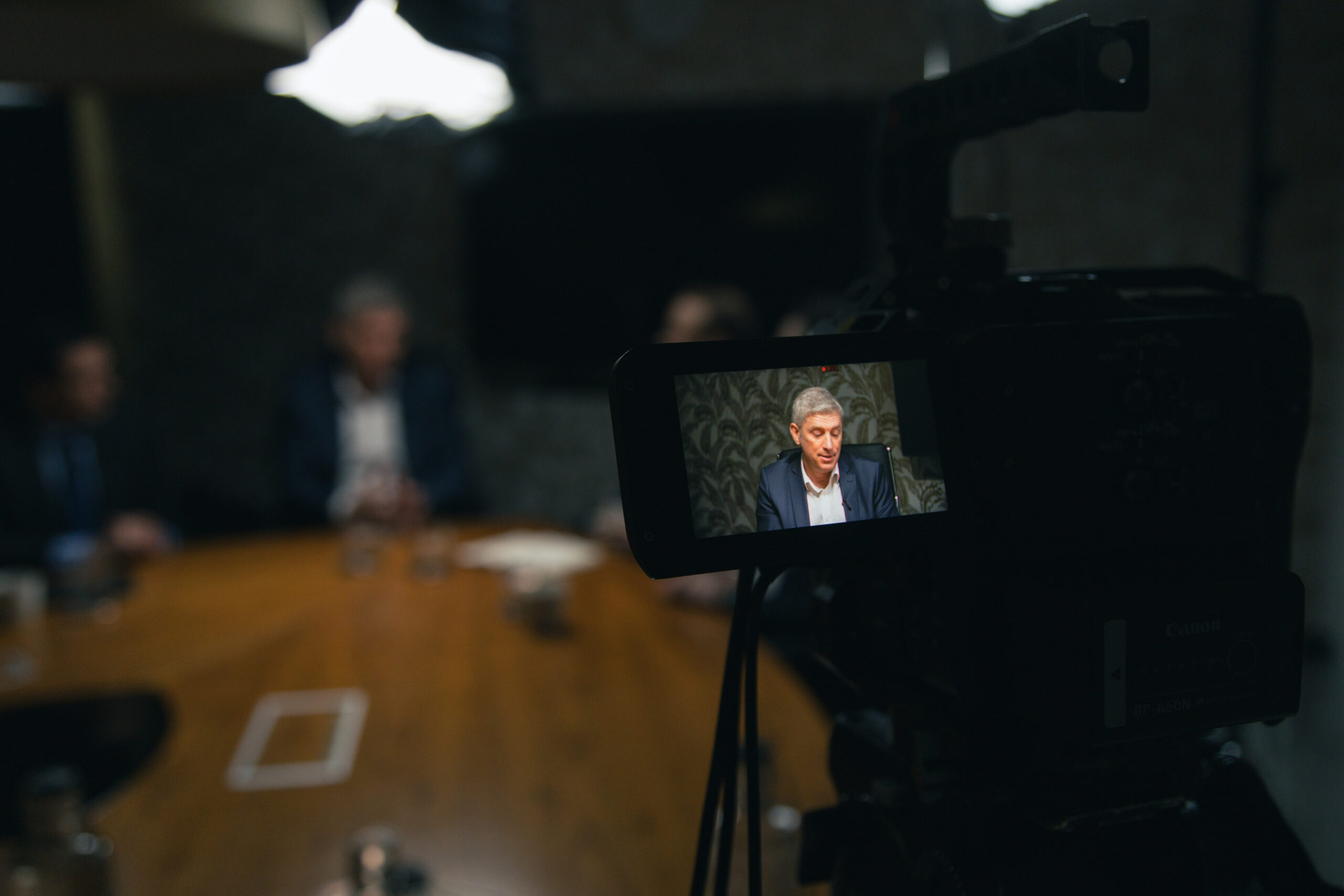
“The question is how do we create gateways for those investors to access the securities we manage today.”
Once again, CSDs don’t feel on the back foot with these evolving trends. They are meeting them head on, and thus, talk of any kind of disintermediation seems to have all but gone away in 2026.
“I do think we as financial market infrastructures have a role to play because at the end of the day, in many cases we’re the registrar, we are the books and records of the original issuance, and therefore when it comes to tokenising something and putting it on another platform somewhere else, I think there’s still going to be a need for that trusted third party,” says Riley.
The next chapter
I truly believe this conversation could have lasted hours. There are countless interesting aspects of FMIs in 2026 we could go into more detail about, from collateral to shortened settlement cycles, and the fact that Euroclear and Clearstream are collaborating to digitise the €15.3 trillion Eurobond market.
There are similarities between these four players, but also stark differences.
But each of them has a role to play in shaping the digital future and supporting Europe’s ambitions on the global stage.
“The most common thing for the four of us is that we’re all being consolidating our platforms,” says Riley. “That’s now starting to pay dividends, whether it’s corporate actions, settlement, data or collateral management. What’s going to be interesting is how the remainder of Europe can adapt to that change as we move forward.”
 For decades, post-trade infrastructure was often described as the plumbing of capital markets. Today, that description feels increasingly outdated. Technological change, evolving investor behaviour and structural reforms are pushing CSDs into a far more prominent role.
And judging by the tone around the table, the industry is ready for it. The FMIs at the heart of post-trade may once have been reactionary towards market structure and regulatory change. Now they are very much on the front foot.